

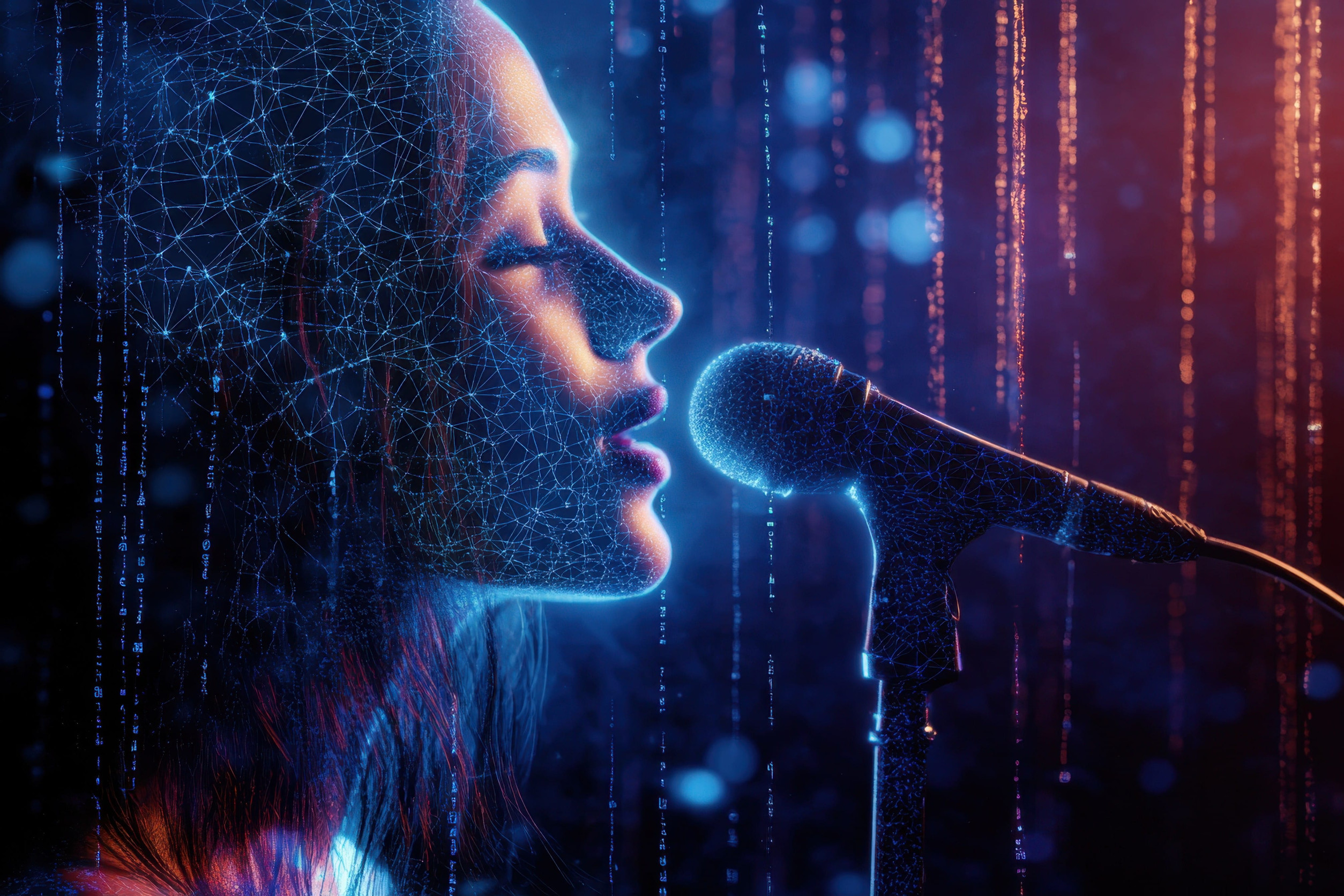
Sony Music’s announcement that it has targeted over 135,000 AI-generated deepfake songs for removal from major streaming platforms marks a major turning point for the music industry. Some of the impacted artists include Beyonce, Harry Styles, Queen, Bad Bunny, Miley Cyrus but the legal issues at stake impact every artist at all levels.
What Happened
Sony’s disclosure came at the IFPI’s Global Markets Music Report launch in March 2026. The company flagged 135,000+ tracks it says were created by fraudsters using generative AI to impersonate Sony artists, then uploaded to platforms including Spotify and Apple Music with play counts artificially inflated to collect royalty payments. Sony acknowledged this figure is likely only a fraction of what has been uploaded as 60,000 fraudulent tracks were identified in the past year alone. The IFPI estimates up to 10% of content across all streaming platforms may be fraudulent. Beyond financial harm, Sony noted that deepfakes can damage release campaigns and tarnish an artist’s reputation without their knowledge or consent.
Legal Remedies for Artists
Copyright Infringement
AI deepfakes trained on existing recordings without authorization, and distributed commercially, support strong infringement claims under the Copyright Act (17 U.S.C. §106). Sony’s 2024 lawsuits against AI generators Suno and Udio were grounded in this theory, alleging “mass infringement” of copyrighted recordings. While UMG and Warner have since settled and licensed those platforms, Sony is still in litigation.
Right of Publicity
Separate from copyright, artists hold a right to control commercial use of their name, image, and voice. California Civil Code §3344 explicitly protects voice as a protected attribute. The proposed federal NO FAKES Act would extend this protection nationally and specifically address AI-generated voice replicas, though it has not yet been enacted. Importantly, the right of publicity claims belong to the artist personally, independent of any label relationship.
Lanham Act: False Endorsement
The federal Lanham Act prohibits false designation of origin. When a deepfake is designed to make listeners believe it was created or endorsed by a real artist, it constitutes passing off. Courts have recognized that a musician’s voice can be a trademark like identifier as, Waits v. Frito-Lay (1992) established this for voice limitation in advertising, and the same reasoning applies to AI impersonations on streaming platforms.
Fraud & Unfair Competition
The streaming fraud component, fake artists, inflated play counts, diverted royalties, also supports claims under state competition laws, common law fraud, and potentially federally wire fraud. These remedies are available to both rights holders and the platforms being defrauded.
How Enforcement is Playing Out
DMCA Takedowns
Sony’s campaign operates primarily through DMCA notice-and-takedown (17 U.S.C §512). It is the most important immediate scalable tool available, but it is reactive. IFPI CEO Victoria Oakley was direct: platforms could deploy upload protection to prevent fraudulent content from being published.
AI Detection at Upload
French streaming company Deezer is the current industry leader in proactive detection, now categorizing nearly 1/3rd of all submitted tracks as AI-generated and is receiving over 60,000 fully AI-generated tracks daily. Deezer has patented its detection tool and is licensing it to the broader industry. Sony Group has separately developed technology to identify copyrighted music embedded in AI-generated output, potentially giving songwriters a compensation pathway when their work is used without authorization to train AI models.
Legislative Landscape
Regulators are moving quickly on this issue. The UK paused proposed AI copyright exceptions following pushback that came from the creative industries. In the U.S., the NO FAKES ACT and AI Transparency Act remain active proposals. Mandatory disclosure, labeling AI-generated content at upload, appears to be the emerging consensus near-term requirement. As Dennis Kooker the President of Global Digital Business & US Sales at Sony Music Entertainment, “Transparency shouldn’t be optional, it’s the foundation of a fair and sustainable music ecosystem.”
Protect your rights in the age of AI. If you are facing legal challenges involving deepfakes in the music industry, reach out today to consult with our specialized legal team.