



Negociar como “Freelancer” (Pt. 1)
Se negocia ante un conflicto de intereses opuestos; pues si no existiera conflicto, no hubiese necesidad de realizar concesiones. Pero sólo porque haya intereses encontrados, no significa que debe haber conflicto entre quienes los representan. Lo mejor que se puede tener al momento de negociar es una actitud de disposición.

Cómo Proteger tus “Ideas”
El mercado se obsesiona con los unicornios – compañías que revolucionan industrias con sus innovaciones. Ejemplos comunes son Facebook, Uber y más recientemente, Snapchat. Sus historias de éxito hacen parecer que el ejercicio de concebir y llevar al mercado una idea sea más sencillo de lo que realmente es. Hay quienes, inspirados en estos unicornios (y quizás en pájaros en gestación), sueñan con generar una gran idea para presentársela a algún inversionista con la esperanza de que se la compre o le pague regalías sin más.

El Diseño y los Derechos de Autor (Parte 2)
Aunque el smartphone es un “medio tangible” según la definición de derechos de autor, no es una “expresión de una idea” – es un objeto útil y funcional. Ahora bien, si coges ese mismo objeto del smartphone, y lo trasladas a una galería de arte, y lo exhibes como una obra de arte, ese objeto del smartphone se convierte en la expresión de una idea fijada en un medio tangible.
El Diseño y los Derechos de Autor (Parte 1)
La propiedad intelectual consiste en cuatro regímenes de leyes que gobiernan distintos aspectos de las creaciones humanas. Por eso se le llama propiedad “intelectual”; nacen de la inteligencia e imaginación de los seres humanos. Estos regímenes de leyes son los derechos de autor, las marcas comerciales, los secretos de negocio y las patentes.
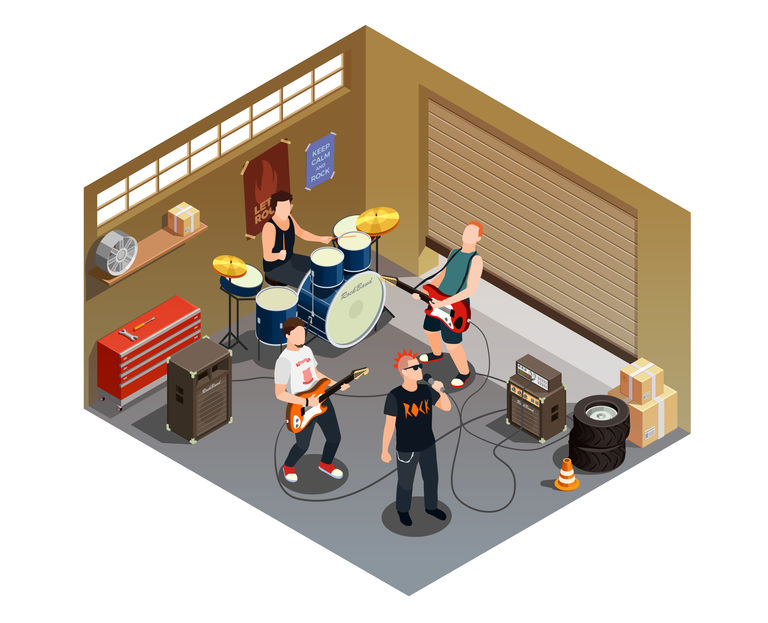
El ‘Dream Team’ de un Artista Musical
El artista musical – sea banda o solista – opera como un comerciante. Su objetivo es entregar un producto de valor a un mercado particular. Pero al igual que cualquier negocio, el éxito del no depende del producto o servicio al vacío, o de una persona solamente. Junto con la música convergen elementos igualmente esenciales que merecen la atención de expertos, como el artista a su arte.


What is the EIDL Loan?
The EIDL program or Economic Injury Disaster Loan allows the SBA to provide loans of up to $2 million to small businesses that have suffered substantial economic injury. The EIDL reopened its loan program to small businesses on June 15, 2020 after closing to most small businesses in May of 2020.

Cómo Vender Diseño (Pt. 2)
Establece tu “rate” por hora: uno que cubra tu tiempo, materiales y toda la operación, salvando un porcentaje de ganancias. Cuando halles este número, podrás presentar con confianza ante cualquier cliente. No se trata de improvisar, se trata de cononcer tu “rate” por hora, y estimar a base de eso. Cobra a base de lo que cuesta toda la operación, porque de otra forma ese costo saldrá de tu ganancia.
Cómo Vender Diseño (Pt. 1)
El primer paso en una contratación de diseño no es enseñar el trabajo que harás. Es ganarte la confianza de la persona quien te contrata, y dar a entender en esos primeros minutos, que tú quieres hacer negocios, y que sabes hacer negocios. Es dejar saber que el cirujano, el ojo clínico y el especialista eres tú, por eso él debe depositar su confianza en tí para planificar un proyecto y llegar a una contratación.
Mitos del Copyright #4 – “Yo Compré la obra, Puedo Hacer lo que Quiera con ella” (Pt. 1)
Vendiste una obra en una exhibición. El comprador le toma una foto y la sube a su blog, reconociendote como autor. La cuelga en su sala, pero decide pasarle un pequeño brochazo para integrarle tonos más acorde a su pared. Retrata su sala y convierte la imagen en una postal. Hace doscientas copias y las regala en su blog. Al dorso de la postal, junto con su “copyright notice”, incluye tu nombre como autor de la pintura.
Mitos del Copyright #5 – “Yo compré la obra, puedo hacer lo que quiera con ella” (Pt. 2)
Retomemos el ejemplo del pasado artículo. El comprador le pasa un brochazo a tu obra para ajustarla a su pared. No favoreces la intervención; sin embargo, te percatas que la ley de Copyright federal no te protege frente a una alteración de esta índole. No se contempla en el “bundle of rights”.